I have received comments about my lack of consistency in posting during this COVID-19 crisis. I appreciate your fandom! I have been working at my dining room table for the majority of the time so I haven’t felt the need to send out an office schedule saying I’m working at home, so that means fewer bonus fun facts. I will try to get back on the once-a-week schedule, to prepare for when this telework train finally stops.
It will stop, right?
Anyway, on to the bonus fun fact.
First, consider this picture:
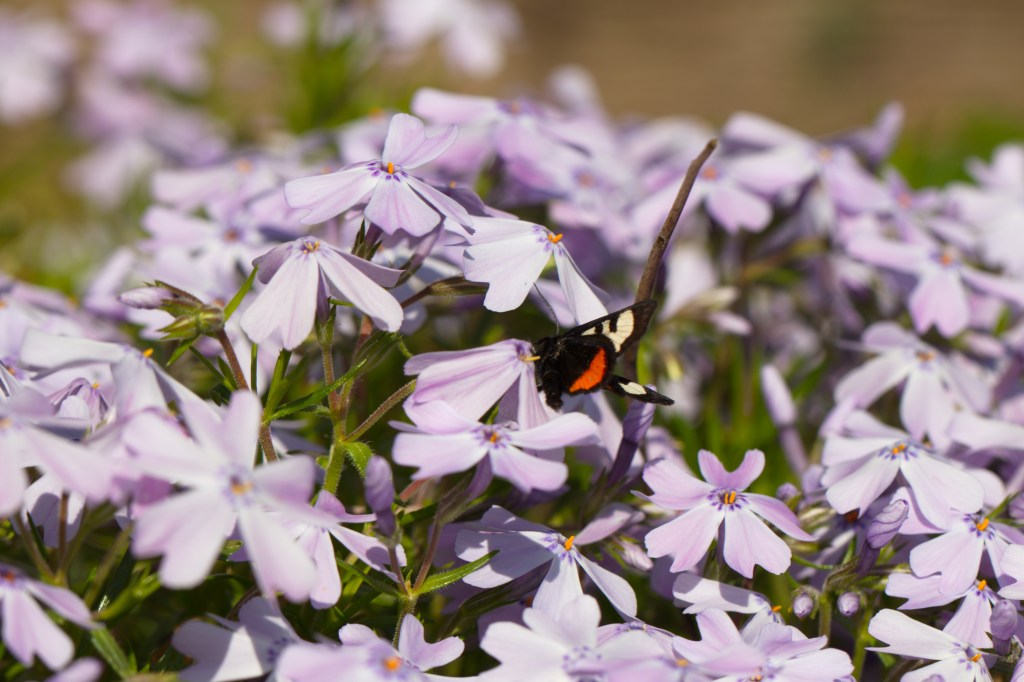
I was chasing this flying friend around our back yard, in an effort to get a close of picture of them (unsuccessfully). I am a bit of a butterfly nerd and I did not recognize this species. While I was chasing it from flower to flower, I kept wondering, what IS this thing?
So, I ask you, what kind of butterfly is this?
It’s a trick question, actually, and I didn’t realize my error until I had the photos up on my computer screen. I’ll talk more about that later.
Bonus Fun Fact: You can tell the difference between a butterfly and a moth by looking at the ends of their antennae. All butterflies have ‘clubbed’ antennae, with little balls at the end. Make a fist and hold your arm out — that is a good way to visualize it. The antennae of moths on the other hand, taper to a smooth point. Moths may also have feathering along their antennae, but they always have a point at the end.
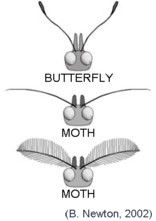
The differences between butterflies and moths is literally the first thing that I teach in my butterfly identification classes, and I had forgotten all of it.
Let’s go back to our friend:
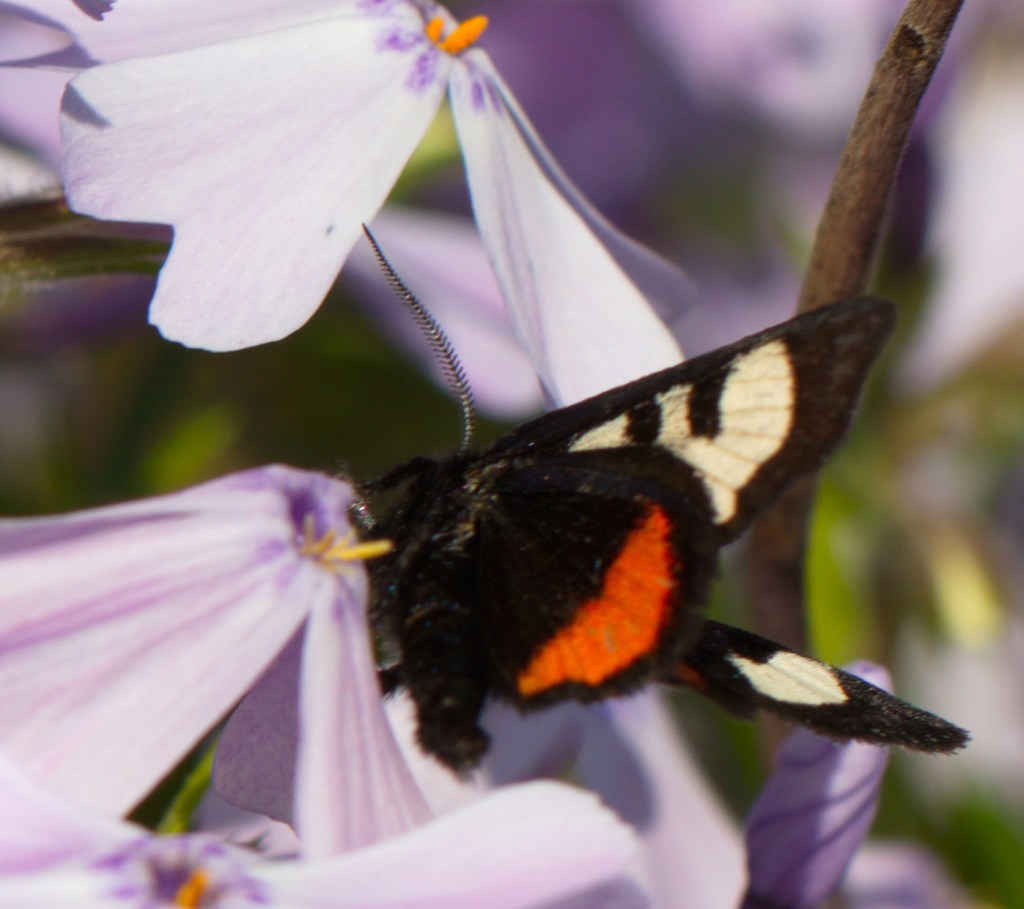
I was sitting at my computer with the image zoomed in just like this, with my butterfly book on my desk. My wife came in, looked over my shoulder, and said “there’s no clubs on the antennae.” And then, she just left. She left me alone in the dark of my own stupidity. I’m sure there’s a joke about the true meaning of marriage somewhere in here.
To bring it all home, it turns out that our friend is a grapevine epimenis moth, and you may see them around your yard this spring.
https://www.butterfliesandmoths.org/species/Psychomorpha-epimenis
Don’t be like me, remember your clubs and points.
 Jason E. Andersen
Leave a comment