This week has been tough for stress and anxiety. I was gone last week (I’ll revisit that later) and, upon my return, I dropped my car off for some regular maintenance stuff. As it seems to always happen, they found some additional problems. Some quite severe, and expensive, problems. The current estimate is $5,200 for the repairs but could go as high as $8,000. I’ll hopefully find out more on Monday. My car is currently sitting with its engine disassembled and laying in a pile, likely until late next week. In the meanwhile, I have been riding my bicycle around town. Thankfully, last night, I was able to borrow a vehicle from a friend. This fun stress, combined with the feeling that I’m never getting caught up at work, has culminated into a week of anxiety.
If you’re unfamiliar with anxiety (lucky you), it’s a feeling of constant worry and low-grade dread or uneasiness (at least for me). It’s also generally accompanied by heightened heart rate and chest tightness. It’s something I’ve dealt with basically my whole life and, when I have anxiety flare-ups like this week, it’s not particularly fun. Let’s just say I’ve had these things on my mind and writing this is a way to get some of that out.
If you want to know more about stress and anxiety, the Anxiety & Depression Association of America has some good information on how to manage your mental health. Be sure to take care of yourselves, physically and mentally.
This leads me into my bonus fun fact…
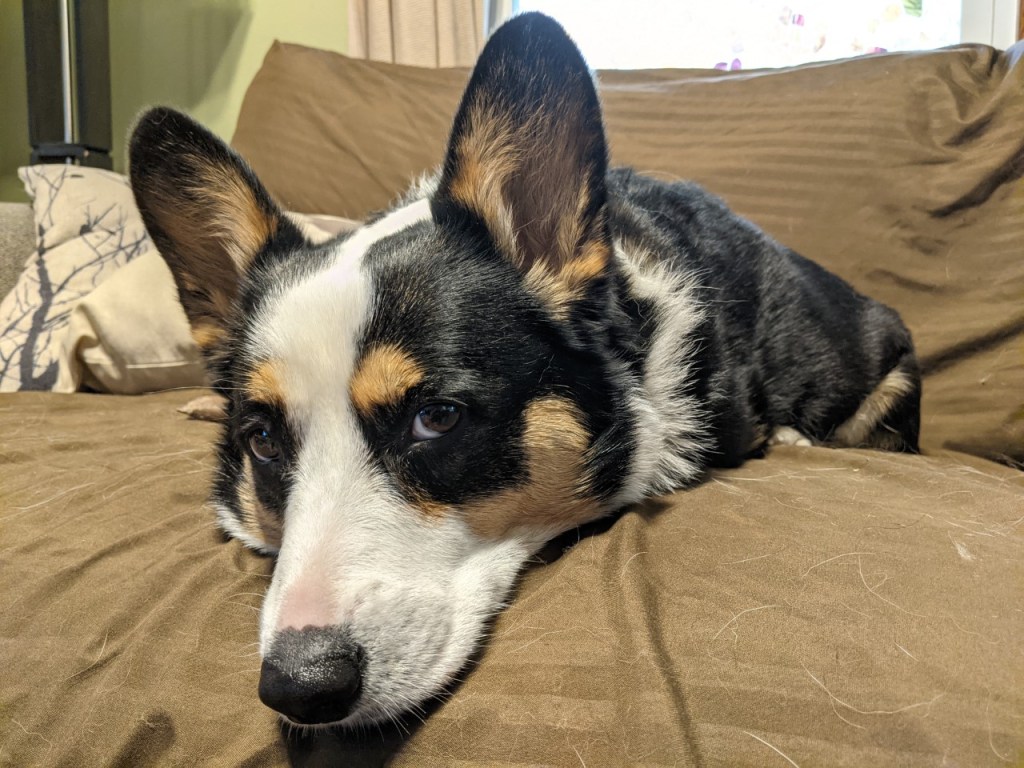
Bonus Fun Fact: Dogs yawn as a sign of stress and also to ease stress amongst other dogs. When dogs are anxious due to an uncomfortable situation (like being at the vet) they may yawn excessively. In social situations (with other dogs, that is) a dog may yawn due to stress and/or as a sign of pacification to other, more aggressive dogs. It’s their way of saying “hey bro, I don’t want to fight right now.” At least that’s what the American Kennel Club says, and I tend to trust them on dog matters.
Dogs also yawn because they’re tired, so you have to read into the context of the situation. Stress yawns are typically longer and more exaggerated, while sleepy yawns are comparatively quicker.
It’s unclear what the benefit of yawning is. In fact, we understand very little about yawning in humans or any other animals. There is a myth that yawning increases oxygen to the brain to fight tiredness, but there isn’t science to support that. Also, why is yawning contagious? There’s a lot we don’t know about yawning and maybe I’ll revisit that in the future.
Next time your dog is yawning, pay attention to the situation. They may be trying to tell you something!
 Jason E. Andersen
Leave a comment